Tesla sets 2027 date for unsupervised FSD but limits it to Robotaxi zones
The automator clarified that customer cars will only drive themselves within specific managed areas, marking a significant shift from previous promises of universal autonomy.
By Zanele Khumalo ·
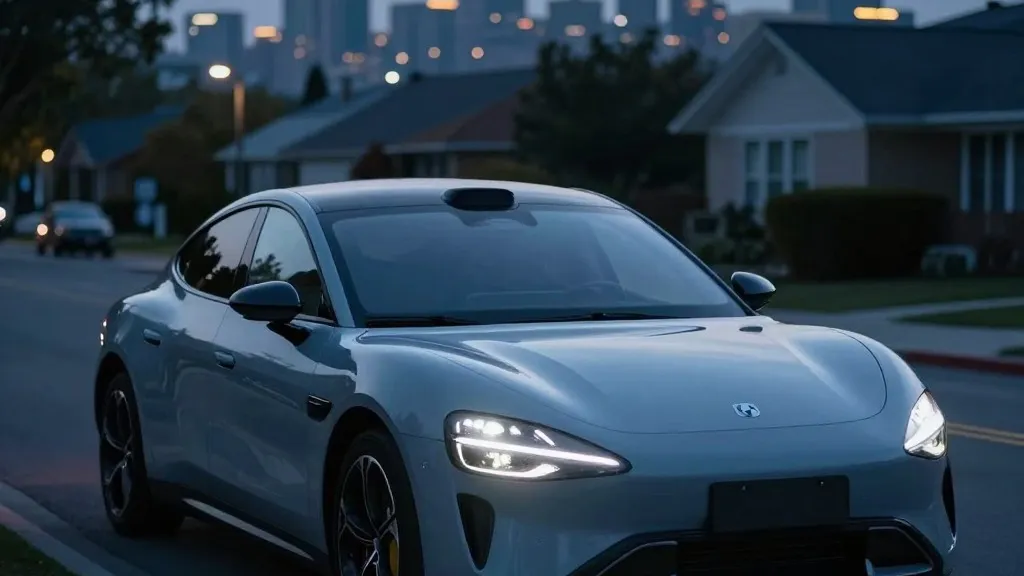
Tesla has officially pinned a date for unsupervised Full Self-Driving in customer-owned vehicles, targeting the second quarter of 2027. However, the company revealed a major limitation during its third-quarter earnings call today. The feature will not allow owners to drive anywhere they please. Instead, it functions by adding the owner's vehicle to Tesla's managed Robotaxi fleet. This means the car will only operate unsupervised within specific geographic zones where Tesla already runs its ride-hailing service.
The announcement came in response to a top question submitted by retail shareholders. The query, backed by approximately 1.1 million shares, asked when unsupervised FSD would arrive in customer cars. Ashok Elluswamy, Tesla's AI chief, provided the Q2 2027 timeline. He explained that the first step is not a software update that enables long-distance travel. It is a mechanism that allows owners to plug their cars into the existing Robotaxi network. Tesla will run the operation, and the vehicle will adhere to the same operational boundaries as the company's own fleet.
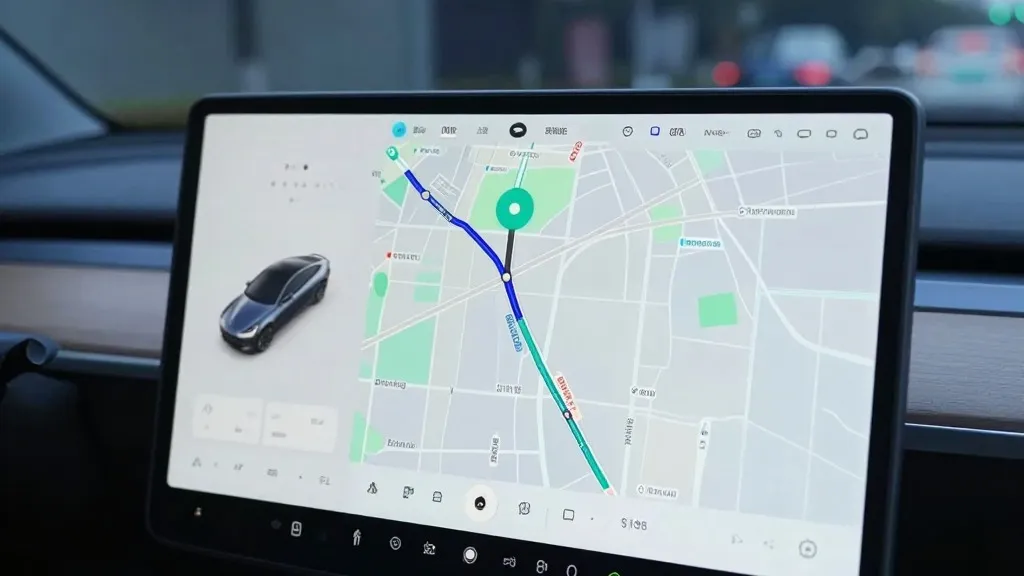
Currently, Tesla's Robotaxi service operates in six US metropolitan areas. Most of these service areas cover small, specific slices of those cities. For example, the Miami zone primarily covers West Miami and a strip toward Doral and Sweetwater. Orlando and Tampa launched in July with similarly restricted geofences. Inside these zones, the service sticks to low-speed routes. It largely avoids highways and the more complex parts of town. In the Bay Area, the system is not yet unsupervised. California rules require a safety driver in every car because Tesla has not yet released the necessary data to the state DMV for a higher level of autonomous approval.
The scale of the current fleet remains modest. Tesla reported that its Robotaxi service reached nearly 2 million cumulative unsupervised miles by the end of the third quarter. This milestone came a month after the Cybercab joined the Austin fleet. Third-party tracking this spring indicated that the number of fully driverless Teslas on the road is in the dozens. This is far from the hundreds of thousands Musk had previously discussed. Meanwhile, competitor Waymo had already established a presence in Orlando and Tampa before Tesla arrived. Waymo has accumulated over 3 million miles of operation.
This new plan differs significantly from the product Tesla has sold for years. For nearly a decade, the pitch to buyers was that a software update would eventually allow their cars to drive themselves anywhere. In July 2025, Musk told investors that unsupervised FSD would be available for personal use in certain geographies by the end of that year. He had also predicted unsupervised self-driving would be available the year before that. Owners with older hardware have already been informed that their computers cannot run the unsupervised version, with no clear upgrade plan in sight.
The focus is now on safety as the primary bottleneck. Elluswamy reiterated that safety concerns limit the system to low-speed roads and simpler environments. He estimates these issues will be resolved by next year, though he acknowledged some uncertainty. The shift narrows the promise from a car that drives you anywhere to a car that works as a Robotaxi inside a small, controlled geofence. This excludes highway road trips and cross-town commutes unless the user lives and works within one of the designated zones.
The next steps involve expanding the geographic coverage and improving safety metrics. Tesla will continue to monitor the performance of the Cybercab and other vehicles in the Austin fleet. The company aims to refine the system before rolling it out to customer-owned vehicles in the specified zones. Shareholders will likely scrutinize the progress closely as the Q2 2027 deadline approaches.
Source: Electrek