Tesla Begins Commercial Production of Optimus Humanoid Robots at Fremont
The company has commenced mass production of its humanoid robots, establishing an internal training program to facilitate their learning processes.
By Yasmin Farouk ·
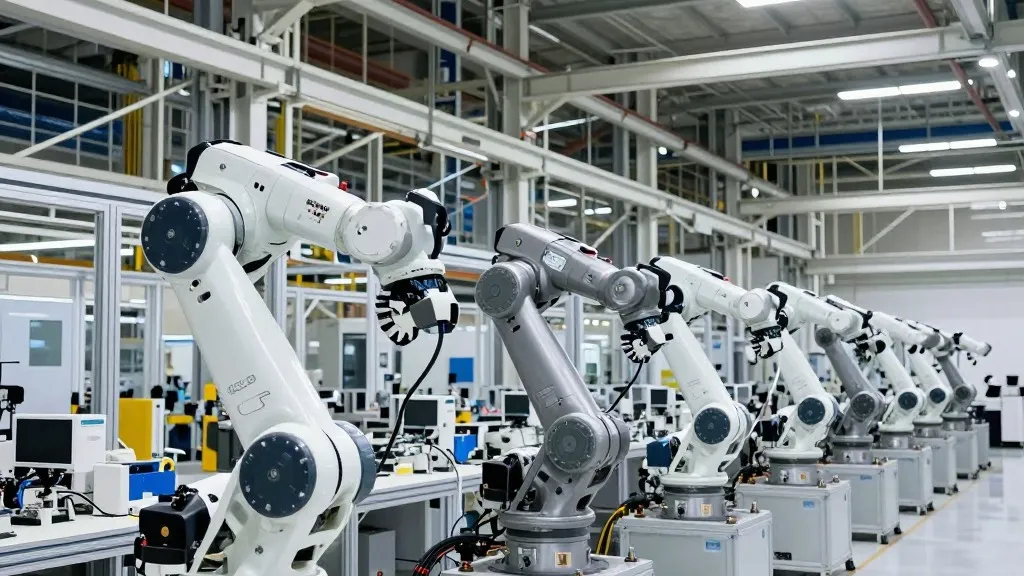
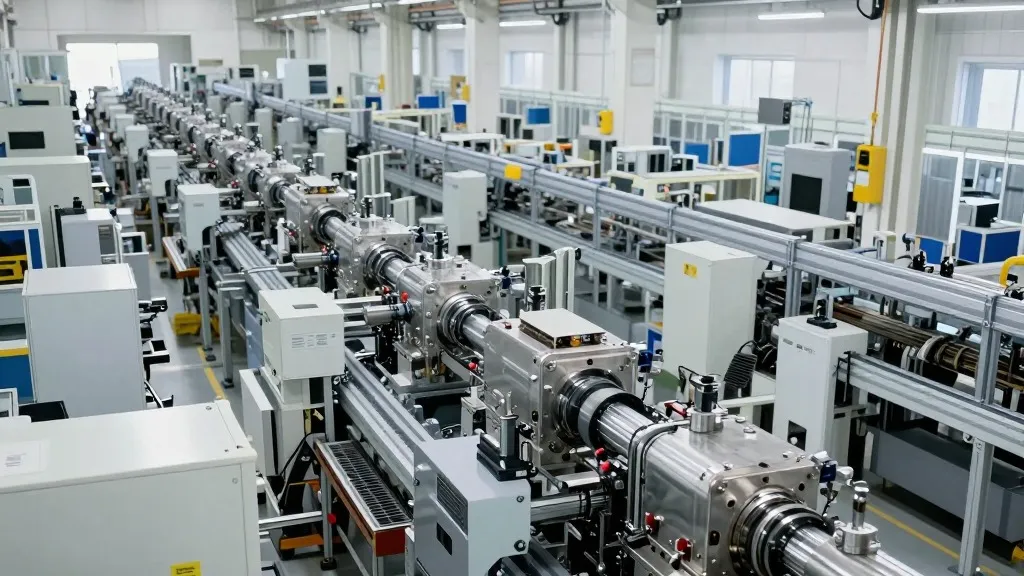
Tesla has begun manufacturing its Optimus humanoid robots on a dedicated high-volume production line within its Fremont facility.
The company disclosed in its third-quarter shareholder letter that these initial units satisfy the criteria for commercial viability, affirming the current production method is appropriate for a commercial product. This specific manufacturing area previously housed the Model S and Model X assembly lines, which were cleared in 46 days earlier this year to accommodate a new line capable of producing one million robots annually.
During a Wednesday earnings call, CEO Elon Musk stated that most of the equipment required for this capacity is already in place at Fremont. He projected that output would rise toward a target of approximately 20,000 robots per week as the facility ramps up operations.
Musk characterized the production ramp as a classic S curve, noting that the initial curve features a shallow slope. He said the team is currently refining the robot’s artificial intelligence, electromechanical design, reliability, and service life, with plans to conclude that work by the end of next year to begin delivering Optimus units to external companies for hazardous, repetitive, and continuous tasks.
A significant challenge involves training the robots for operation. While Tesla vehicles gather vast amounts of driving data from millions of vehicles, Musk explained that a big difference with Optimus is the lack of a comparable fleet to gather training data from. To bridge this gap, Tesla plans to deploy an Optimus Academy where 10,000 to 20,000 robots will practice various tasks, providing the necessary information to improve future software versions.
Hardware upgrades are also planned, with the installation of the AI5 chip set for next year. Musk indicated that a new video of the robot performing AI-driven tasks rather than preprogrammed motions would be released within a month or two. He contrasted this capability with rival humanoid demonstrations that rely on scripted routines, arguing they would not succeed in real-world environments.
Supply chain partners including Tuopu, Joyson, and Sanhua were certified in September for mass production of components. While a larger Optimus factory is under construction at Giga Texas with a long-term target of 10 million robots annually, Tesla executives noted that production costs for Optimus are trending toward the expected manufacturing cost of the Cybercab. Current engineering efforts are focused on the robot's hands, which remain the most difficult part of the design.
Source: Teslarati