Space Force Loses Three Key Launches as SpaceX Declines Military Contracts
The company passed on three US military missions, while European and Canadian rivals push forward with their own ambitious rocket timelines.
By Jayden Sweiler ·
The launch industry saw a significant shift in the balance of power this week, marked by high-profile rejections and accelerating development schedules. The most immediate impact came from the US commercial space sector, where a major player signaled a strategic pivot away from certain government obligations.
SpaceX has officially declined three launch contracts offered by the US Space Force. The company communicated to the military branch that it is passing on these specific opportunities, a move that has surprised industry observers given the volume of work typically available to the nation's dominant launch provider. This decision occurs alongside new technical constraints identified for the company's flagship lunar program.
A NASA safety panel recently highlighted a critical logistical hurdle for the Starship vehicle. To support a crewed lunar landing, the system may require as many as 22 separate refueling operations in orbit. This finding underscores the immense complexity of the in-space refueling architecture necessary for deep space exploration, adding a layer of operational difficulty to the already ambitious timeline.
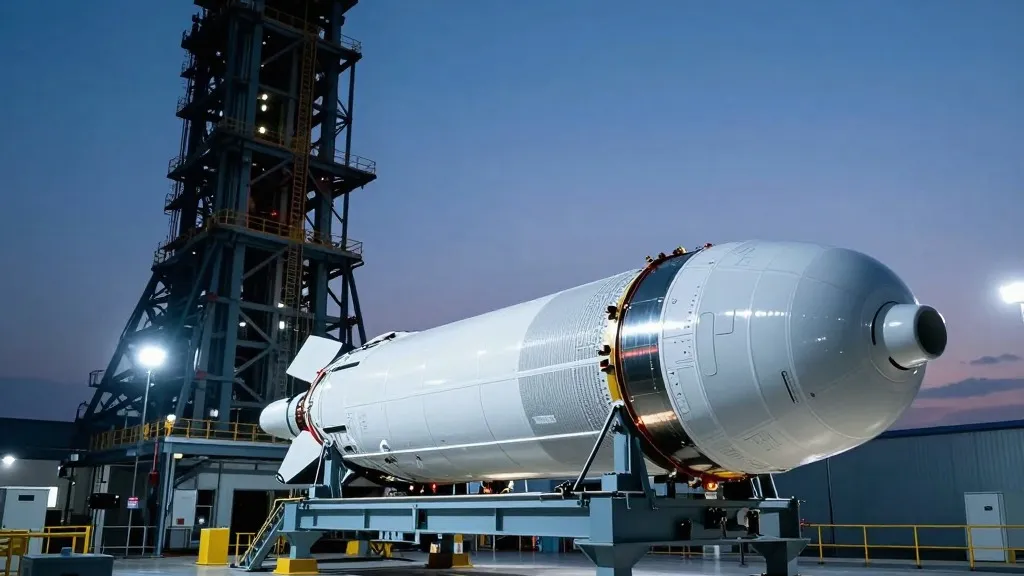
While US headlines dominated, significant progress was made in Europe. PLD Space, based in Spain, reported that its Miura 5 rocket is approaching final integration. The company, which has already manufactured three vehicles of this type, is targeting its inaugural flight for before mid-2027. Two of the existing units were used to qualify key system elements, allowing the team to apply lessons learned directly to the launch vehicle currently being prepared.
CEO Raúl Torres noted that the manufacturing process for the three vehicles enabled continuous work across different production stages. Currently, one Miura 5 second stage is fully integrated and undergoing system-level testing under representative operating conditions. This stage is located at the company’s Teruel test facility, where it is scheduled to undergo a wet dress rehearsal and a static hot-fire test as part of its qualification campaign.
In Canada, startup Reaction Dynamics is moving aggressively to scale its operations. The company is seeking to raise $350 million in new capital. The primary goal of this funding round is to expand its workforce from its current 68 employees to more than 350. This growth is intended to support the development of its small-lift Aurora rocket, which the company hopes will reach orbit in 2028.
Beyond the immediate near-term goals, Reaction Dynamics has also announced plans for a medium-lift vehicle named Borealis. The debut for this larger rocket is targeted for 2031, positioning the company to compete in a broader segment of the launch market as it matures. The capital raise is a critical step in bridging the gap between its current engineering team and the larger organization required to deliver both the Aurora and Borealis rockets.
These developments illustrate a multi-front battle in the commercial launch market. While SpaceX navigates its relationship with the US military and the technical challenges of lunar refueling, international competitors are solidifying their production pipelines. The coming months will see PLD Space conduct critical tests on its Miura 5, and Reaction Dynamics will rely on its fundraising efforts to drive rapid headcount growth.
Source: Ars Technica