Artemis Logistics: New Estimate Raises Starship Launch Count to 22
A former astronaut on NASA’s safety panel suggests that 22 Starship flights may be necessary to refuel a lunar lander, a figure that exceeds previous optimistic projections.
By Aiko Yamamoto ·
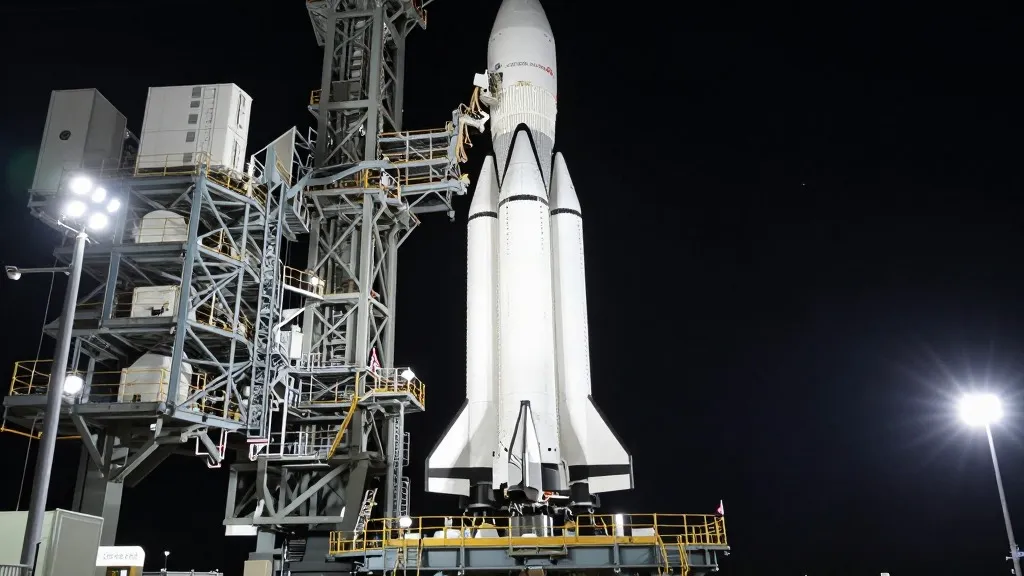
A former astronaut serving on NASA’s Aerospace Safety Advisory Panel has suggested that 22 Starship launches may be required to assemble a refueled lunar lander in low-Earth orbit. This figure represents a significant increase over prior internal estimates and highlights the logistical complexity of NASA’s Artemis program. The revelation emerged during the panel’s quarterly meeting held on Thursday, where members discussed the risks associated with landing humans on the Moon.
The specific metric in question involves the number of tanker flights needed to deliver liquid oxygen and methane propellant to a depot Starship. Once fully loaded, that depot would then travel to the Moon, land, and return to lunar orbit. NASA has historically been reluctant to share this precise number, treating it with a level of secrecy comparable to nuclear codes. The agency’s general stance has been that the figure is not yet fixed, leading to a culture of caution among its officials.
In 2023, Lisa Watson-Morgan, who was then the director of NASA’s Human Landing System, expressed hesitance to provide an exact count. She told Ars Technica that while the agency had a general idea, she was reluctant to state it definitively. Later, she indicated that the number likely fell within the high single digits to the low double digits. This range implied roughly a dozen launches, which already represented a substantial logistical effort for SpaceX.
That earlier estimate suggested a scenario where SpaceX would launch one depot Starship followed by 11 tanker Starships. Other NASA officials have previously cited figures in the high teens. The underlying hope of the program has always been that SpaceX would dramatically increase the lift capacity of the Starship vehicle. Such an improvement would reduce the number of tanker flights required to reach the necessary fuel volume for a lunar voyage.
However, concerns are now growing among some NASA officials that this increase in lift capacity may not materialize soon enough. There is a fear that these delays could prevent the Starship rocket from playing a meaningful role in returning humans to the Moon within this decade. The timing is critical as the agency works to finalize its timeline for the Artemis program.
Charlie Precourt, a former NASA astronaut and current member of the Aerospace Safety Advisory Panel, raised these risks during the recent meeting. His commentary focused on the potential hurdles associated with the Artemis program and the specific challenges of landing humans on the lunar surface. The discussion underscored the ongoing uncertainty surrounding the operational parameters of the Starship system.
The shift from a potential dozen launches to a projected 22 indicates a more conservative approach to planning. This change reflects the difficulty in predicting the performance of a new rocket system under the rigorous conditions of deep space travel. As NASA continues to refine its requirements, the exact number of launches remains a moving target.
The agency continues to guard this data closely, balancing the need for transparency with the risk of premature commitment to specific numbers. For now, the figure of 22 serves as a new benchmark for assessing the feasibility and cost of the lunar landing mission. It stands as a stark reminder of the engineering challenges that remain before astronauts can once again walk on the Moon.
Source: Ars Technica