Military Working Dogs: A $200 Million Bet on Genetic Engineering
Warhound aims to solve the U.S. military's reliance on imported dogs by creating genetically optimized canines equipped with advanced Anduril technology.
By Samir Nasser ·
For the first time, U.S. military and law enforcement agencies may look beyond traditional breeding for their working dogs. A new company, Warhound, has emerged from stealth mode with a mission to genetically engineer canines specifically for dangerous operational roles. This shift marks a significant change in how emergency response teams source their animal partners, moving from a supply-chain dependency on foreign nations to a domestically engineered solution. The initiative is backed by a substantial $200 million funding round, signaling a serious commitment to altering the biological and technological landscape of military operations.
The financial details of the launch reveal a high-stakes valuation. Investors including Sequoia, 8VC, Corner Ventures, and In-Q-Tel, a venture firm supported by the CIA and other U.S. intelligence agencies, have contributed to the round. This investment values the company at $1.2 billion. The capital is intended to support the development of dogs that do not yet exist, which are designed to perform tasks that are too hazardous for humans or too complex for current machines, such as bomb detection and specialized search operations.
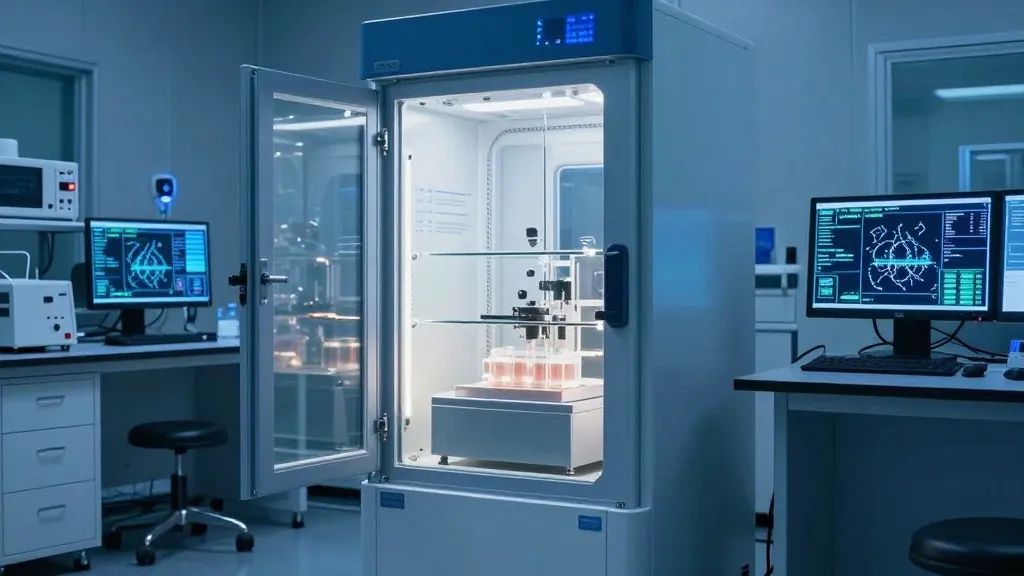
The partnership driving this project combines biological expertise with defense technology. Ben Lamm of Colossal Biosciences and Palmer Luckey of Anduril formed the venture after meeting approximately a year ago. Lamm, who leads the biological side, noted that many traditional working dogs fail training due to inherited health issues like poor eyesight, hip dysplasia, or muscle atrophy. To address this, his team is using cell lines from top-performing breeds, specifically the Belgian Malinois and German Shepherd, stored in a biobank. By editing genes to enhance traits like speed, agility, and olfactory sensitivity, the team aims to create a new type of dog optimized for demanding missions.
Anduril’s role is to provide the technological layer that complements the biological enhancements. The company will supply software and hardware, including protection vests and goggles, to improve situational awareness for both the dogs and their handlers. Lamm described the concept as placing technology 'on top of the dog, not in the dog,' such as bulletproof vests with data sensors that relay real-time information to handlers. This approach is designed to make the animals safer and more effective, thereby also protecting the human personnel who work alongside them. Notably, Luckey is a partner in the venture but holds no equity, while Colossal owns a stake and licenses its technology to the new entity.
The timeline for bringing these engineered dogs to service is ambitious. The first batch of dogs is currently in the cloning and incubation phase, with births expected in early 2027. The company hopes to have these canines in active service within two years. Viagen, another company owned by Colossal, is partnering with Warhound to handle the cloning process, leveraging its high success rate in cloning technology. While the company has not yet set a price for the dogs, it expects to sell to the Department of Defense, military service groups, police forces, and other first responders.
The stakes involve balancing innovation with animal welfare. Warhound is working under the guidance of the American Humane Society to certify its training program. The society has stated it is pleased to be involved in ensuring the animals are treated humanely, grounded in science and ethics. There is also a plan for retired dogs to enter the society’s Military Working Dog Reunification Program, which provides homes for veterans of the canine corps. As the U.S. military currently sources over 80% of its working dogs from Europe, with less than half being fit for service, this new domestic model aims to reduce that reliance while ensuring the dogs are healthier and longer-lived.
Ultimately, this venture represents a convergence of biotechnology and defense contracting. By addressing the dwindling supply of fit working dogs and the vulnerabilities of traditional breeds, Warhound seeks to create a more resilient workforce for the front lines. The next two years will be critical in determining whether this genetic and technological fusion can transition from a laboratory concept to a standard operational asset for American security forces.
Source: TechCrunch