Finland's AI Expansion: Wolves Displaced by Google's Data Center Build
Unauthorized forest clearing for new AI infrastructure has forced local wolf packs into nearby villages, prompting regulatory orders to halt construction.
By Juan Gonzalez ·
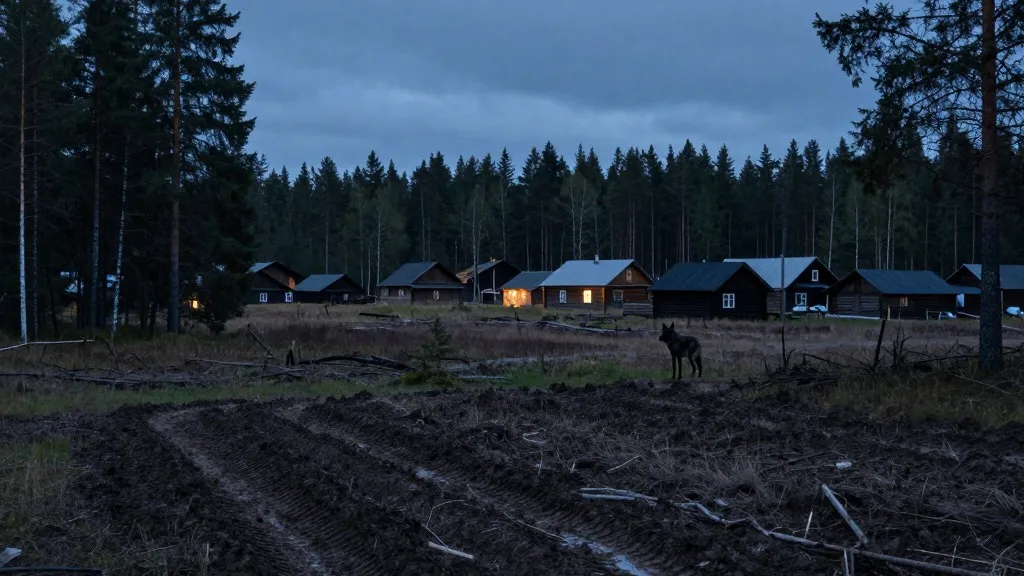
For residents in rural Finland, the rapid expansion of artificial intelligence infrastructure has begun to bring tangible changes to their daily lives. The construction of new data centers near the village of Otanmäki and the town of Muhos has disrupted the local ecosystem, leading to a noticeable shift in wildlife behavior. Families in the area report that wolves and other wild animals, previously confined to dense forests, are now roaming into village outskirts. This shift is not merely an environmental concern but has become a practical safety issue for communities living adjacent to the construction sites.
The immediate impact on the landscape has been significant. Google’s country manager has issued an apology regarding unauthorized clearings near Muhos, acknowledging that 816 acres of forest have been transformed into a large expanse of mud. In a separate area roughly 55 miles southeast of Otanmäki, authorities have ordered the company to cease work on another roughly 500 acres of cleared forest. These actions have stripped away the natural habitat that local wildlife relied upon, forcing animals to seek new territories in human-inhabited zones. Anni Ranta, a 53-year-old resident whose family has lived in Otanmäki for generations, explained that the wolves entered the village because the wild animals were displaced from the forest.
The regulatory response to these changes has been swift. The Finnish Licensing and Supervision Authority, known as LVV, issued an order for Google to stop development activities in both the Muhos and Otanmäki areas. A representative for the Finnish Association for Nature Conservation described the company’s handling of environmental policy as unprecedented and clear in its deviation from standard procedures. Despite this, a Google spokesperson expressed a positive outlook, stating that the company will fully comply with the LVV’s requests. They emphasized their desire to maintain an active and open dialogue with authorities and local organizations to strengthen their partnership with Finland.
Local sentiment reflects a mix of environmental frustration and strategic concern. While many residents are upset about the physical damage to the land, including construction noise, streams turning brown, and the displacement of rare bird species, others have broader geopolitical worries. Ranta expressed fear that the U.S.-owned data centers could make Finland a more attractive target for Russian aggression. This combination of local and strategic anxieties suggests that the debate over AI infrastructure in Finland is extending beyond simple land use into questions of national security and regional stability.
This situation mirrors a growing trend in regions targeted by AI developers, where environmental side effects are becoming a primary point of contention. Similar complaints about noise and water quality have been voiced in the United States and other countries. However, the scale of the forest clearing in Finland, combined with the visible presence of displaced predators, has highlighted the immediate consequences of rapid tech expansion. As Google moves to comply with the new orders, the focus remains on how the company will manage its relationship with local communities while continuing its ambitious build-out of AI capabilities in Europe.
Source: Tom's Hardware