Amazon scraps four data centers to build homes on 122-acre Loudoun County site
The tech giant is converting its planned AI infrastructure in Northern Virginia into residential and mixed-use developments after local pressure mounted.
By Khalid Rahman ·
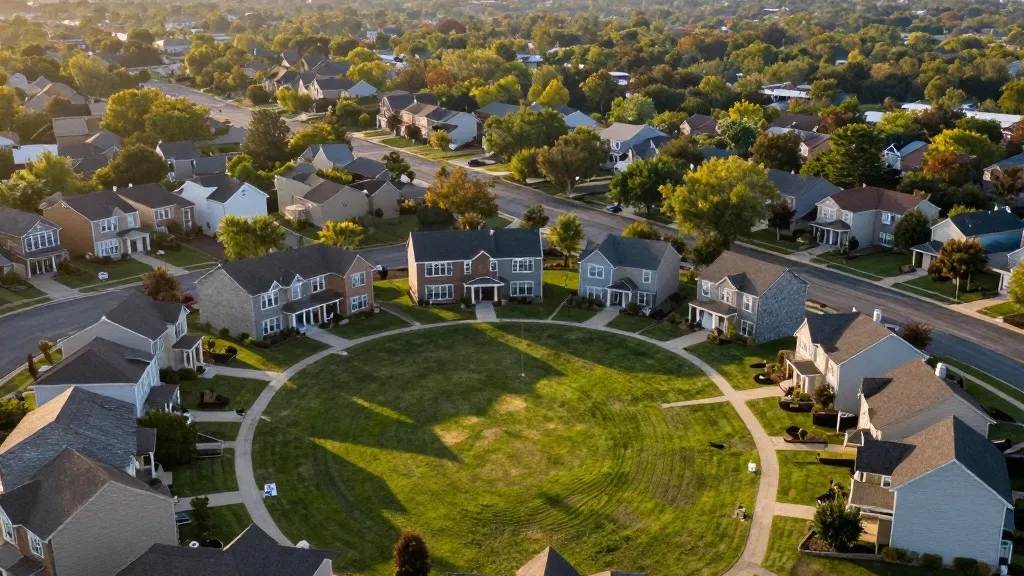
Northern Virginia has long been known as the global hub for data centers, but the region is reaching its physical limits. In a significant shift away from the current boom, Amazon has officially withdrawn its proposal to construct four new facilities on a former university campus in Loudoun County. The company will instead transform the majority of the 122-acre property into a mixed-use and residential development. This decision follows intense scrutiny from local residents who have grown weary of the infrastructure strain caused by the rapid expansion of artificial intelligence hardware.
The scope of the new plan is extensive. Amazon will repurpose most of the land for housing and commercial spaces. Additionally, the company will donate 25 acres to the county for the construction of a community arts center and a new recreational facility. To further support local efforts, Amazon has committed a $5 million contribution to the county’s housing fund. These financial and physical changes mark a distinct departure from the previous blueprint, which focused exclusively on high-density server farms.
The change in direction stems from a specific timeline of events. Amazon first submitted its proposal to build the new facilities in July of this year. By September, the tension between the company and local leadership had become apparent. Loudoun County Board of Supervisors Chair Phyllis J. Randall met directly with Amazon officials to discuss the project. During these negotiations, the county raised specific concerns about the site's suitability for such heavy infrastructure. The company acknowledged these pointed concerns regarding the development at this particular location.
Josh Weissman, Amazon’s vice president in charge of data center development, explained the company's reasoning in a statement. He noted that Amazon had been eager to purchase the former George Washington University campus when the opportunity initially arose. However, the company recognized the local hesitation. Weissman stated that while Amazon viewed the legal development potential of the property differently than the county, they concluded that a shared vision was the best path forward. He added that this approach allowed them to avoid costly litigation. The goal was to find an outcome that benefited all parties rather than forcing the original data center plan through the courts.
The broader context involves the massive energy demands of modern computing. The recent surge in AI usage has driven demand for larger and more powerful facilities. This growth has led to local opposition, with communities worried about spikes in electricity prices and the strain on local grids. Officials are now taking steps to manage this construction wave. Just days before this news broke, President Donald Trump called for data center builders and AI hyperscalers to pay dividends to local communities. In a social media post, he suggested that data centers should generate their own electricity and sell excess power back to the grid. Issues such as water shortages and deforestation have also become central to the debate over where these facilities are placed.
Local officials view this agreement as a successful alternative to confrontation. Chair Randall emphasized the value of dialogue in a public statement. She said that by choosing dialogue over reflexive disagreement, the county and Amazon created a real opportunity for the community. Randall highlighted that the new plan provides places for residents to gather, create, and play. She also stressed the importance of providing more attainable homes for working families in a region where housing costs have risen sharply.
The stakes for the region remain high. While the immediate plan for four data centers is scrapped, the need for cloud storage and AI processing continues to grow. The decision to build residential units instead addresses a critical local need for housing. The 25-acre donation for arts and recreation adds public value to the project. The $5 million housing fund injection provides direct financial support for local development goals. This hybrid approach aims to balance technological growth with community livability.
For residents of Loudoun County, this shift represents a tangible change in how major tech companies operate in their neighborhood. The noise and power consumption that fueled the backlash are being replaced by the quiet of residential zones and the activity of community centers. The former university campus will now serve a different purpose. It will house families and provide spaces for cultural expression. This development reflects a growing trend where local communities assert more control over land use in the face of the AI boom.
The agreement was reached after months of negotiation and public discourse. It highlights the friction between the rapid expansion of digital infrastructure and the physical realities of local environments. Amazon’s willingness to pivot shows that even major tech players must adapt to local constraints. The 122-acre site will see a transformation that prioritizes human habitation and community use. This outcome sets a precedent for other proposed data center projects in the region. It demonstrates that a shared vision can yield results that are beneficial for both the developer and the local population.
The final details of the deal include the specific allocation of land and funds. The 122-acre total is split between the new residential development and the 25-acre donation. The remaining space will be dedicated to mixed-use projects. The $5 million donation is earmarked specifically for the county's housing fund. These concrete numbers provide a clear framework for the next phase of development. The project will move forward with a focus on creating a sustainable and balanced community. The former campus will soon take on a new identity as a residential and cultural hub in Northern Virginia.
Source: Tom's Hardware